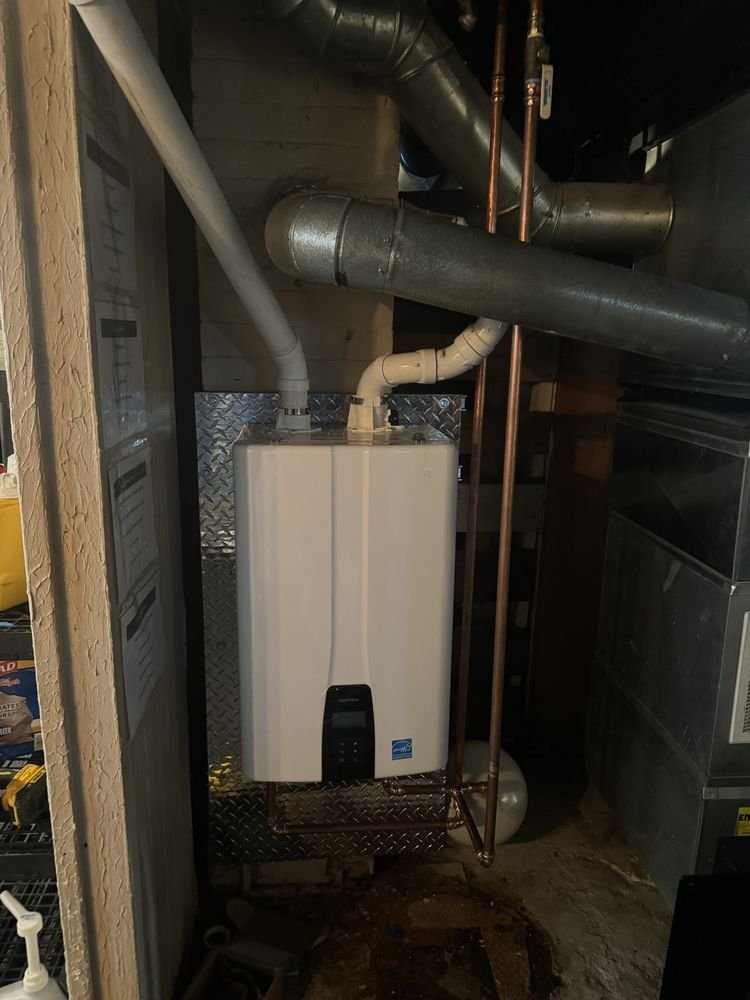
Finding the best plumber in Dearborn Heights isn't just about fixing a leaky faucet; it's about securing peace of mind for your home. When a pipe bursts at 3 AM or your water heater decides to go on strike, you don't just need any plumber—you need a reliable, skilled professional who can diagnose the problem, fix it efficiently, and prevent future headaches. This guide will walk you through exactly what to look for, the critical questions to ask, and how to ensure you're hiring the right expert for your Dearborn Heights home.
At a Glance: What You'll Learn About Finding a Great Plumber
- When to Call a Pro: Understand the plumbing issues that absolutely require expert intervention versus DIY fixes.
- Defining "Best": Learn the key criteria—from licensing and insurance to reputation and clear pricing—that separate the good from the great.
- Your Hiring Playbook: A step-by-step guide to researching, vetting, and selecting a top-tier plumber.
- Common Questions Answered: Get expert insights into frequent plumbing queries, from pipe materials to emergency leak responses.
- Cost Clarity: Understand what influences plumbing service costs and how to get a fair estimate.
- Proactive Maintenance: Simple steps to keep your home's plumbing running smoothly long after the repair.
More Than Just a Wrench: Why a Quality Plumber in Dearborn Heights Matters
Your home’s plumbing system is a complex network, often hidden behind walls and under floors, yet it’s fundamental to your daily comfort and property value. When something goes wrong, the stakes are high. A minor leak can escalate into significant water damage, mold growth, or even structural issues if not addressed promptly and correctly. That's why relying on a truly qualified plumber in Dearborn Heights is an investment, not an expense.
Beyond just fixing an immediate problem, a quality plumber offers:
- Expert Diagnosis: They don't just treat symptoms; they identify the root cause of an issue, preventing recurring problems.
- Long-Term Solutions: Proper repairs mean fewer call-backs and greater longevity for your plumbing components.
- Safety & Compliance: Licensed plumbers understand local codes and regulations, ensuring work is done safely and legally, protecting your family and your home's resale value.
- Preventative Advice: A good pro will often offer tips on how to maintain your system and avoid future emergencies.
- Peace of Mind: Knowing a job is done right by a trustworthy expert allows you to focus on living your life, not worrying about the next plumbing disaster.
In a community like Dearborn Heights, where homes range from historic charmers to modern builds, local plumbers often have a nuanced understanding of common regional issues, water quality impacts, and preferred pipe materials, making their local expertise invaluable.
When Do You Really Need a Plumber? Common Scenarios & Critical Moments
While a clogged toilet can sometimes be tackled with a trusty plunger, many plumbing problems demand the immediate attention of a professional. Knowing when to call in the cavalry can save you time, money, and potentially extensive damage.
Burst Pipes & Leaks: The Urgency Factor
This is perhaps the most critical scenario. A burst pipe can unleash gallons of water in minutes, causing catastrophic damage to flooring, drywall, and belongings. If you discover a significant leak or a burst pipe:
- Shut off your main water supply immediately. This is your absolute first step to minimize damage. Ensure you know where your home's main shut-off valve is before an emergency strikes.
- Call a plumber as soon as you can. As Angi experts note, "The longer a leak goes on, the more potential there is for water damage or a burst pipe." They also highlight that "repairing a burst pipe costs $500 on average"—a figure that can easily skyrocket if the damage is allowed to spread.
- Remove any standing water and ventilate the area. While waiting for help, do what you can to mitigate secondary damage.
Even small, persistent leaks, like a dripping faucet or a running toilet, warrant professional attention. Over time, these can waste thousands of gallons of water and contribute to higher utility bills or hidden structural decay.
Persistent Clogs: Beyond the Plunger's Reach
A minor clog in a single sink might clear with a household drain cleaner (used sparingly) or a basic snake. However, if:
- Multiple drains are backing up simultaneously.
- You hear gurgling sounds from drains when using others.
- Water consistently drains slowly after attempts to clear it.
- There's a foul odor emanating from drains.
These are signs of a deeper, more systemic clog, potentially in your main sewer line. Chemical drain cleaners can often do more harm than good to your pipes and aren't a substitute for professional drain cleaning equipment or expertise.
Water Heater Woes: Hot Water is Not a Luxury
Your water heater is responsible for a significant portion of your daily comfort. If you're experiencing:
- No hot water at all.
- Inconsistent hot water temperatures.
- Strange noises (rumbling, popping, hissing) coming from the tank.
- Leaking from the base of the unit.
- Rust-colored water.
These are all indicators that your water heater needs professional assessment. Ignoring these signs can lead to a complete breakdown, an expensive replacement, or even a hazardous situation.
Fixture Installation & Replacement: When DIY Isn't Enough
Sometimes you need a plumber not because something is broken, but because you're upgrading or installing new fixtures. While you might be able to replace a bathtub faucet yourself if it's a similar model and fits existing plumbing, Angi experts advise caution: "If you’re uncomfortable with working on your plumbing, your installation is more complex than a simple replacement, or the piping is old and corroded, call a pro to handle the job." This applies to toilets, sinks, dishwashers, and even outdoor spigots. A professional ensures proper sealing, alignment, and connection, preventing leaks and ensuring optimal performance.
Mystery Issues: When Something Just Doesn't Feel Right
Sometimes, there isn't an obvious leak or clog, but something's off:
- Low Water Pressure: This could be due to mineral buildup, a partially closed valve, or even a deeper issue with your main water line.
- Unusual Smells: Persistent sewage smells could indicate a vent pipe issue, a dried-out P-trap, or a more serious sewer line problem.
- Discolored Water: Rusty water could point to corroded pipes or a water heater issue.
- Constantly Running Toilet: Beyond jiggling the handle, this wastes water and could signal a worn-out flapper or fill valve.
These subtle indicators are often early warnings of bigger problems down the line and are best investigated by a plumber.
Major Renovations & New Installations: Planning for the Future
If you're remodeling a bathroom or kitchen, adding a new appliance that requires a water hookup, or planning any significant change to your home's layout that impacts plumbing, a professional plumber is indispensable. They can ensure your new setup complies with codes, is properly sized, and integrates seamlessly with your existing system.
Decoding "Best": What Makes a Plumber Stand Out in Dearborn Heights?
"Best" isn't just a label; it's a combination of objective qualities and subjective experiences. When you're searching for the top plumber in Dearborn Heights, focus on these critical attributes:
1. Experience & Expertise: Beyond Just Years in the Business
While longevity often suggests reliability, it's the type of experience that truly matters. Has the plumber handled issues similar to yours? Do they specialize in residential services, or are they generalists?
- Specific Skills: Look for plumbers experienced with water heater repair/replacement, sewer line issues, specific pipe materials (like PEX, copper, or PVC), or specialized equipment like hydro-jetting.
- Problem Solvers: The best plumbers don't just fix what's broken; they figure out why it broke and offer preventative solutions.
2. Licensing & Insurance: Your Non-Negotiables
This is the bedrock of trustworthiness. Never hire an unlicensed or uninsured plumber.
- Licensing: Ensures the plumber has met state-mandated training, testing, and competency requirements. A licensed plumber understands building codes and safety standards. Ask for their license number and verify it with the Michigan Department of Licensing and Regulatory Affairs (LARA).
- Insurance: Specifically, look for liability insurance (covers damage to your property) and workers' compensation insurance (covers injuries to their employees on your property). This protects you from financial responsibility if an accident occurs during the job.
3. Reputation & Reviews: The Angi and HomeAdvisor Factor
In today's connected world, a plumber's reputation precedes them. Online review platforms are goldmines of information, but you need to know how to sift through them effectively.
- Verified Reviews: Platforms like Angi and HomeAdvisor are invaluable because their ratings "are based on verified reviews from our community of homeowners who have used these pros to meet their Plumbing needs." This verification adds a layer of credibility.
- Look for Patterns: Don't just focus on isolated glowing or scathing reviews. Look for recurring themes:
- Punctuality: Do they show up on time?
- Professionalism: Are they courteous, clean, and respectful of your home?
- Communication: Do they explain the problem clearly and discuss solutions?
- Quality of Work: Are fixes durable?
- Pricing: Is it fair and transparent?
- Responsive to Feedback: How do plumbers respond to negative reviews? A professional business will often address concerns constructively, showing a commitment to customer satisfaction.
- Local Focus: See if reviews specifically mention service in Dearborn Heights, indicating local familiarity.
4. Transparency in Pricing: No Surprises
Cost is always a factor, but the "best" plumber isn't necessarily the cheapest. It's about value and honesty.
- Detailed Estimates: A reputable plumber will provide a written estimate before starting work, outlining parts, labor, and any potential additional fees.
- Hourly vs. Flat Rate: Understand their billing structure. Some charge hourly, others offer flat rates for common jobs. Flat rates can offer more predictability.
- Emergency Fees: Inquire about special rates for after-hours or weekend emergency calls.
- Avoid Vague Quotes: If a plumber is hesitant to provide a clear estimate or only offers a verbal quote for a significant job, consider it a red flag.
5. Responsiveness & Availability: Especially for Emergencies
When your basement is flooding, you can't wait days for a callback.
- Emergency Services: Does the plumber offer 24/7 emergency service? What's their typical response time for urgent calls?
- Scheduling: For non-emergencies, how quickly can they schedule an appointment?
- Communication: Do they promptly return calls or emails? Good communication from the outset indicates a well-run operation.
6. Customer Service & Communication: A Human Touch
Plumbing can be dirty, complicated work, but the interaction with the professional shouldn't be.
- Clear Explanations: Can they explain the problem and solution in terms you understand, without excessive jargon?
- Respect for Your Home: Do they wear shoe covers, lay down tarps, and clean up thoroughly after the job?
- Professional Demeanor: Are they polite, patient, and willing to answer your questions?
7. Guarantees & Warranties: Standing Behind Their Work
A confident plumber backs up their services.
- Workmanship Warranty: Do they offer a guarantee on their labor for a certain period?
- Parts Warranty: What warranties come with the parts they install? This provides crucial protection if a new component fails prematurely.
By evaluating plumbers against these criteria, you move beyond mere price shopping and towards finding a true partner for your home's plumbing needs.
Your Step-by-Step Guide to Hiring a Top Plumber in Dearborn Heights
Finding the right professional doesn't have to be a shot in the dark. Here’s a structured approach to ensure you make an informed decision:
Step 1: Define Your Need (and Your Budget)
Before you pick up the phone, clarify the problem.
- Be Specific: Is it a dripping faucet, a completely clogged drain, a lack of hot water, or a renovation project? The more details you have, the better a plumber can assess the situation. Take photos or videos if possible.
- Consider Urgency: Is this an emergency requiring immediate attention, or can it wait a few days for a scheduled appointment?
- Rough Budget: While you'll get estimates, having a general idea of what you can comfortably spend can help guide your choices, especially for non-emergency work. Don't let this be your only guide, however.
Step 2: Start Your Search – Local Resources & Online Platforms
Tap into your community and online tools.
- Referrals: Ask neighbors, friends, family, or local community groups in Dearborn Heights for recommendations. Personal experiences are often the most reliable.
- Online Directories: Utilize platforms specifically designed for home service professionals:
- Angi & HomeAdvisor: As mentioned, these platforms provide ratings "based on verified reviews from our community of homeowners." They can match you with local pros.
- Yelp, Google Maps, Nextdoor: These also offer user reviews and contact information for local plumbers. Pay attention to their service area to ensure they cover Dearborn Heights.
- Local Business Associations: Sometimes local chambers of commerce or business directories can point you to reputable service providers.
Aim to compile a shortlist of 3-5 potential plumbers to contact.
Step 3: Vet Your Prospects – The Interview Process
This is where you gather information and compare.
- Initial Contact: Call each plumber on your list. Pay attention to how they answer the phone, their professionalism, and their willingness to answer preliminary questions.
- Verify Credentials:
- Ask for their license number and confirm it's active with the Michigan Department of Licensing and Regulatory Affairs (LARA) website.
- Request proof of insurance (liability and workers' compensation).
- Discuss Your Specific Issue: Explain your plumbing problem in detail. A good plumber will ask follow-up questions to understand the scope.
- Inquire About Experience: Ask if they have experience with your specific type of issue or brand of appliance.
- Request References: For larger jobs, ask for references from previous clients.
- Get Detailed, Written Estimates: For non-emergency work, schedule an on-site visit to get a comprehensive, written estimate. This estimate should break down labor costs, material costs, and any additional fees. For emergencies, they might provide a rough estimate over the phone and then a firm one upon arrival. Don't settle for vague pricing.
Step 4: Compare & Choose
With your estimates and information in hand, it's time to decide.
- Don't Just Go for the Cheapest: While cost is a factor, prioritize value. The lowest bid might mean lower quality parts, less experienced labor, or hidden fees later on.
- Evaluate All Criteria: Consider experience, reputation, responsiveness, and clear communication alongside the price.
- Trust Your Gut: If something feels off, or you have communication issues during the vetting process, it's often a sign to look elsewhere. A good relationship with your plumber is built on trust.
Step 5: Follow Up After the Job
Your interaction doesn't necessarily end when the plumber leaves.
- Inspect the Work: Once the job is complete, visually inspect the area. Is it clean? Are there any obvious issues?
- Test the Repair: Run the water, flush the toilet, or use the appliance that was repaired to ensure it's functioning correctly.
- Keep Records: Store invoices, warranties, and contact information for the plumber in a safe place.
- Provide Feedback: If you had a positive experience, consider leaving a review on Angi, HomeAdvisor, or other platforms to help your Dearborn Heights neighbors.
By following these steps, you'll significantly increase your chances of finding not just a plumber, but the best plumber for your needs in Dearborn Heights.
Common Plumbing Questions, Answered by Experts (and What it Means for You)
Let's address some of the most frequently asked questions about plumbing, drawing on expert insights to empower you as a homeowner.
Do you need a plumber to replace a bathtub faucet?
Expert Answer (from Angi): "If you're replacing a similar model, you don’t always need a plumber to install a bathtub faucet since it will fit over the existing plumbing. That said, there is some room for error. If you’re uncomfortable with working on your plumbing, your installation is more complex than a simple replacement, or the piping is old and corroded, call a pro to handle the job."
What it means for you: For a straightforward, like-for-like replacement, a handy homeowner might tackle it. However, if the new faucet has a different configuration, requires pipe modification, or if your existing pipes look old or are difficult to access, calling a plumber is the safer, smarter choice. A small error can lead to a big leak behind the wall.
What pipes are under a bathtub?
Expert Answer (from Angi): "The water supply lines run underneath the bathtub. These two pipes deliver cold and hot water to the bathtub—the cold water comes from the main water supply, and the hot water comes from the water heater. The pipes are made from copper, cream-colored plastic CPVC, or red and blue PEX tubing."
What it means for you: Understanding pipe materials can inform discussions with your plumber. If you have older copper pipes, they might be prone to corrosion over time, which could be a factor in recurring issues. PEX, a newer, flexible plastic piping, is often preferred for its ease of installation and resistance to freezing. Knowing what you have helps you understand potential upgrades or repair costs.
Is pipe measured by ID or OD?
Expert Answer (from Angi): "In North America, pipe measurements are listed as the nominal pipe size (NPS). This measurement refers to the outside diameter. As an example, a 1/2-inch copper pipe has an outside diameter of 5/8 of an inch. If a hardware store lists a pipe as having a 2 NPS, it means that all the pipes with this measurement have a 2 ⅜-inch outside diameter, regardless of wall thickness and inside diameter."
What it means for you: This technical detail is mostly for plumbers, but it's useful to know that "1/2-inch pipe" isn't its actual internal diameter. When buying fittings or discussing pipe replacements, your plumber will use NPS, ensuring the correct parts are ordered for your specific system. Don't try to measure with a tape measure and guess.
Is PEX okay for a main water line?
Expert Answer (from Angi): "PEX is approved for use with main water lines due to its stability and resistance to high water pressure. If you live in a cold climate and are wondering how to unfreeze pipes, it's helpful to know that PEX is less likely to burst in freezing temperatures. You can also insulate your pipes to prevent freezing and protect your PEX piping."
What it means for you: PEX is a fantastic option for modern plumbing, including main water lines. Its flexibility makes it easier to install, and its resistance to freezing and corrosion are significant advantages, especially in Michigan's colder months. If you're considering a repiping project, PEX is a durable, cost-effective choice. Your Dearborn Heights plumber will likely recommend it for new installations or significant replacements.
What to do if a pipe is leaking?
Expert Answer (from Angi): "Shut off the water if it’s safe to do so, and call a plumber as soon as you can. The longer a leak goes on, the more potential there is for water damage or a burst pipe. Repairing a burst pipe costs $500 on average. Then, remove any remaining water and ventilate the area."
What it means for you: This reinforces the crucial first step: find and shut off your main water supply immediately. Speed is paramount to mitigate damage and cost. Don't try to "fix" a significant leak yourself unless you have advanced plumbing knowledge; you could worsen the problem. Get a professional on the line right away.
How often should I have my plumbing inspected?
While there's no hard-and-fast rule, many experts recommend a professional plumbing inspection every two years, or annually for older homes. Think of it like a check-up for your car. A plumber can identify minor issues (like corrosion or slight leaks) before they become major disasters, extending the life of your system and saving you money in the long run.
What's the difference between a drain cleaner and a plumber?
A drain cleaner company typically specializes only in clearing clogs, often using snaking or hydro-jetting equipment. A plumber, on the other hand, is a broader professional trained in the entire plumbing system – installation, repair, maintenance of pipes, fixtures, water heaters, sewer lines, and more. While many plumbers offer drain cleaning services, a dedicated drain cleaner might be cheaper for a simple clog, but a plumber is essential for anything more complex or diagnostic.
Navigating Pricing: What to Expect for Plumbing Services in Dearborn Heights
Understanding the cost of plumbing services can feel like navigating a maze. Here’s a breakdown of factors that influence pricing and how to ensure you're getting a fair deal in Dearborn Heights.
Factors Influencing Cost
Plumbing service prices aren't one-size-fits-all. They depend on:
- Type of Job: A simple faucet repair will cost significantly less than a water heater replacement or a sewer line repair.
- Complexity: Difficult-to-access pipes, older systems, or intricate installations naturally require more time and specialized tools.
- Emergency vs. Scheduled: Expect to pay a premium for after-hours, weekend, or holiday emergency calls. These call-out fees cover the plumber's immediate availability.
- Parts & Materials: The cost of parts (e.g., a new faucet, water heater, section of pipe) is added to the labor cost. Higher quality or specialized parts will cost more.
- Labor Rates: Plumbers' hourly rates vary based on experience, overhead, and local market conditions in Dearborn Heights.
- Permits: For major installations or renovations, permits might be required by the city, adding to the total cost. Your plumber should handle this.
Hourly Rates vs. Flat Fees
- Hourly Rates: Some plumbers charge by the hour, plus materials. This can be beneficial for small, quick fixes but can become unpredictable for complex jobs that take longer than anticipated. Always ask for an estimated time frame.
- Flat Fees (Job-Based Pricing): Many reputable plumbers offer flat rates for common services (e.g., toilet installation, drain cleaning). This provides transparency and predictability, as you know the total cost upfront, regardless of how long the job takes. This is often the preferred method for homeowners.
Estimates vs. Final Bills
Always get a written estimate before work begins, especially for non-emergency jobs. This estimate should detail parts, labor, and potential contingencies. Understand that an estimate is an approximation. If unforeseen issues arise (e.g., a corroded pipe breaks when touched), the plumber should stop, explain the new problem, and provide an updated estimate before proceeding. You should never be surprised by a drastically higher bill without prior discussion.
The "Hidden Costs" of DIY Gone Wrong
While tempting to save money by doing it yourself, be mindful of the potential pitfalls. An improperly installed faucet can leak and cause hidden water damage, leading to expensive mold remediation down the line. A botched water heater connection could be dangerous. The cost of a professional plumber might seem high upfront, but it pales in comparison to the expenses incurred by repairing DIY mistakes. Trusting a pro ensures the job is done right the first time.
When discussing pricing, always ask:
- "Is this an hourly rate or a flat fee for the job?"
- "What does this estimate include (labor, parts, travel, cleanup)?"
- "Are there any potential additional costs I should be aware of?"
- "Do you offer any guarantees or warranties on your work or the parts you install?"
Beyond the Fix: Maintaining Your Plumbing System for Longevity
Finding and hiring the best plumber in Dearborn Heights is a fantastic start, but your role in maintaining a healthy plumbing system doesn't end there. Proactive measures can prevent many common issues and extend the lifespan of your pipes and fixtures.
Simple Tips for Homeowners
- Be Mindful of Your Drains: Avoid pouring grease, oil, coffee grounds, fibrous foods, or harsh chemicals down your drains. Use drain screens in sinks and showers to catch hair and debris.
- Use Your Garbage Disposal Wisely: Only put biodegradable food scraps down the disposal, and always run plenty of cold water with it. Never put bones, fruit pits, corn husks, or anything non-food down there.
- Address Leaks Promptly: Even a small drip can waste significant water and indicate a bigger problem. Don't ignore it.
- Know Your Main Water Shut-Off Valve: Locate it and ensure everyone in your household knows how to turn off the water in an emergency. This is your first line of defense against a burst pipe.
- Insulate Exposed Pipes: Especially in unheated areas like basements, crawl spaces, or outside walls, insulation can prevent pipes from freezing and bursting during Dearborn Heights' cold winters.
- Flush Your Water Heater Annually: This removes sediment buildup, which can improve efficiency and extend the life of your water heater. Your plumber can do this for you during an inspection.
- Don't Overtighten Fixtures: When tightening faucets or showerheads, don't use excessive force, as this can strip threads or crack pipes.
The Value of Routine Maintenance
Just like your car needs regular oil changes, your home's plumbing benefits from professional check-ups. A yearly or biennial plumbing inspection by a qualified Dearborn Heights plumber can:
- Detect Small Issues Early: Catch minor leaks, corrosion, or wear and tear before they escalate into costly repairs.
- Assess Water Pressure: Ensure your water pressure isn't too high, which can stress pipes and fixtures, or too low, indicating a problem.
- Inspect Water Heater Performance: Check anode rods, pressure relief valves, and overall efficiency.
- Evaluate Drain Health: Identify slow drains that might signal an impending clog.
- Provide Expert Advice: Your plumber can offer tailored recommendations for your specific home and plumbing system, helping you save money and avoid future headaches.
Investing a little in preventative maintenance can save you a lot in emergency repairs and extend the life of your valuable plumbing infrastructure.
Making an Informed Choice: Your Next Steps to a Worry-Free Home
The journey to finding the "best plumber in Dearborn Heights" isn't about discovering a single, mythical individual; it's about empowering you to make the most informed decision for your home's unique needs. By understanding when to call a pro, what qualities define excellence, and how to navigate the hiring process, you're well-equipped to find a trustworthy partner.
Don't wait for a plumbing disaster to strike. Take these proactive steps today:
- Locate your main water shut-off valve. Make sure everyone in your household knows where it is and how to use it.
- Start your research. Use platforms like Angi and HomeAdvisor to compile a shortlist of highly-rated plumbers serving Dearborn Heights. Read their verified reviews to get a sense of their service quality.
- Ask the right questions. When you contact potential plumbers, inquire about their licensing, insurance, experience with your specific issue, and their approach to pricing.
- Prioritize value over the lowest price. A reliable, skilled plumber is an investment in your home's longevity and your family's comfort.
With a little preparation and the insights gained here, you can confidently choose a plumber in Dearborn Heights who will provide reliable, high-quality service, ensuring your home's plumbing system runs smoothly for years to come.